- HOME
- INDIA TOURS
- RAJASTHAN TOURS
- Rajasthan Tours by Days
- Rajasthan Tours by City
- Rajasthan Round Trips
- Rajasthan Tours by Theme
- DAY TRIPS
- CAR RENTAL
- TRAVEL GUIDE
- REVIEWS
- QUERY
- ABOUT US

| Home > Destinations Guide > Barmer | |||||||
BARMER |
|||||||
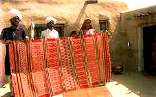
A tiny yet lively town in sun-drenched sand, Barmer is a miniature Rajasthan with all its colour, warmth and tradition, according to history, the 13th century founder of the district, Bhahada Rao (Popularly known as Bar Rao) gave the town its name - Barmer, i.e. the hill fort of Bar, once called Mallani (12th century A.D.). The Present Barmer district, formed in 1949 upon the merger of Jodhpur state in the United States of Great Rajasthan, is a cluster of ancient paraganas - Mallani Shiv, Pachpadra, Siwana and the Chohatan area. Although a barren land with harsh climate and rough terrain, Barmer is known for its rich crafts, dances and music. Once on the ancient camel trade route, the town is now centre for wood carving, pottery, carpets, intricate embroidery work, block printed fabrics and multi-hued traditional costumes. Especially famous are the geometric ajrak prints in dark shades of red and blue, ideal for protection against the sun. The most interesting part of a trip to Barmer is the journey through rural Rajasthan. The small villages with mud-walled housed decorated with delicate folk motifs and colourfully attired people on the way offer a fascinating sight. Every year in March, the desert town is at its colourful best during the exuberant Barmer Festival. The festival is the best time to plan a visit to Barmer.
PLACES OF INTEREST ARE:
FAIRS & FESTIVALS:
SHOPPING: |
|||||||

Rajasthan Tours by Days
02-05 Days Rajasthan Tours06-10 Days Rajasthan Tours
11-15 Days Rajasthan Tours
16-20 Days Rajasthan Tours
21-30 Days Rajasthan Tours
Rajasthan Tours by City
From AgraFrom Ahmedabad
From Delhi
From Jaipur
From Jaisalmer
From Jodhpur
From Mount Abu
From Sawai Madhopur
From Udaipur
Rajasthan Round Trips
Agra to AgraAhmedabad to Ahmedabad
Delhi to Delhi
Jaipur to Jaipur
Jodhpur to Jodhpur
Mount Abu to Mount Abu
Udaipur to Udaipur
Rajasthan Tours by Theme
Rajasthan Wildlife ToursRajasthan Honeymoon Tours
Rajasthan Leisure Tours
Rajasthan Museums Tours
Fairs & Festivals Tours
Rajasthan Religious Tours

Rajasthan Travel Guide
* Agra* Ajmer
* Bharatpur
* Bikaner
* Bundi
* Chittaurgarh
* Delhi
* Jaipur
* Jaisalmer
* Jodhpur
* Mount Abu
* Pushkar
* Sawai Madhopur
* Shekhawati
* Udaipur
More Places...


Jaipur, Rajasthan (INDIA)
Phone: 0091-141-3566071, 9982337038 (WhatsApp)
Email: mail@aamantrantours.com; aamantran@hotmail.com
Terms of Use | Company Policy | Disclaimer | Link Exchange
© 2003-2024 AamantranTours.com | Website developed & maintained by Aamantran Tours